Valorant Defense: Lock Space After Opponents Respect Your Peaks
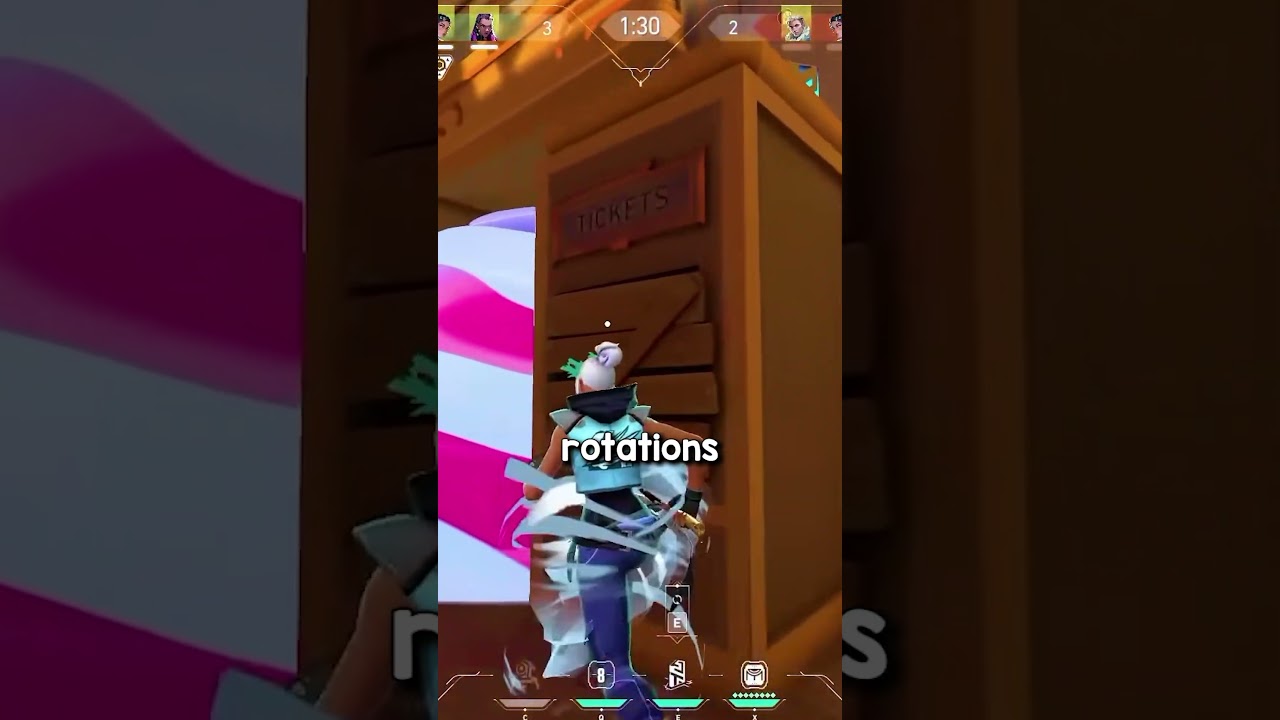
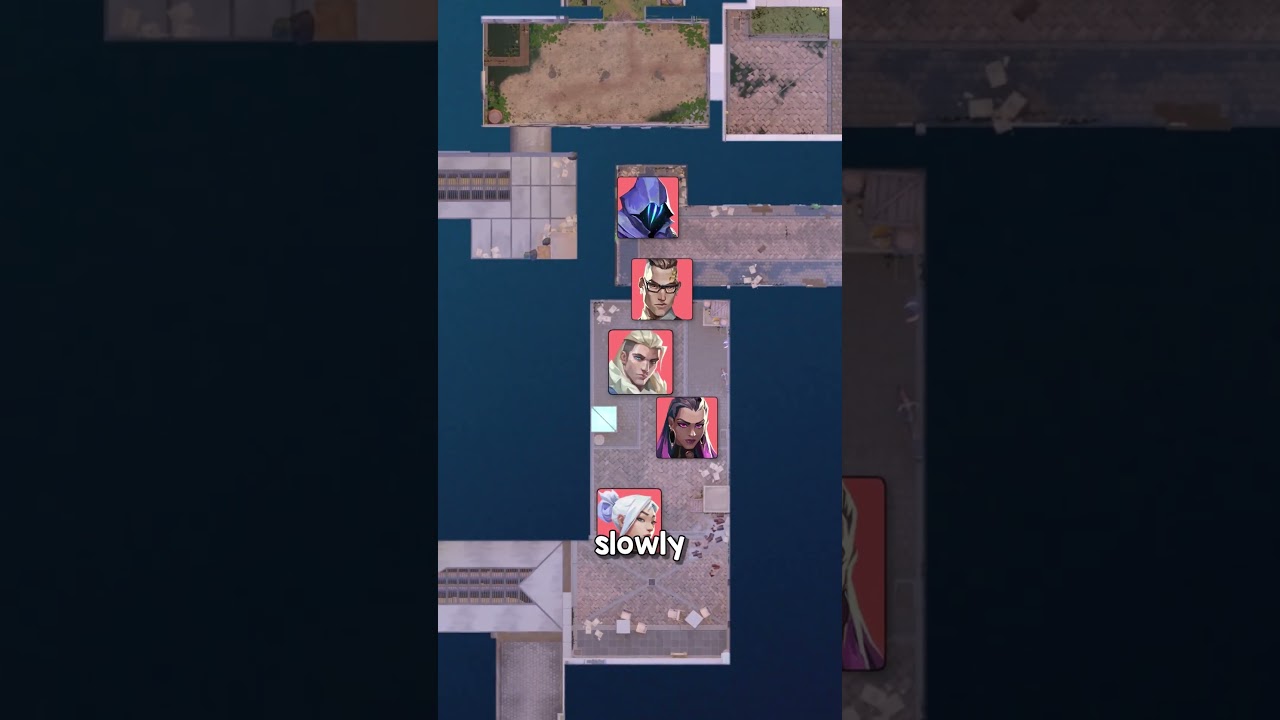
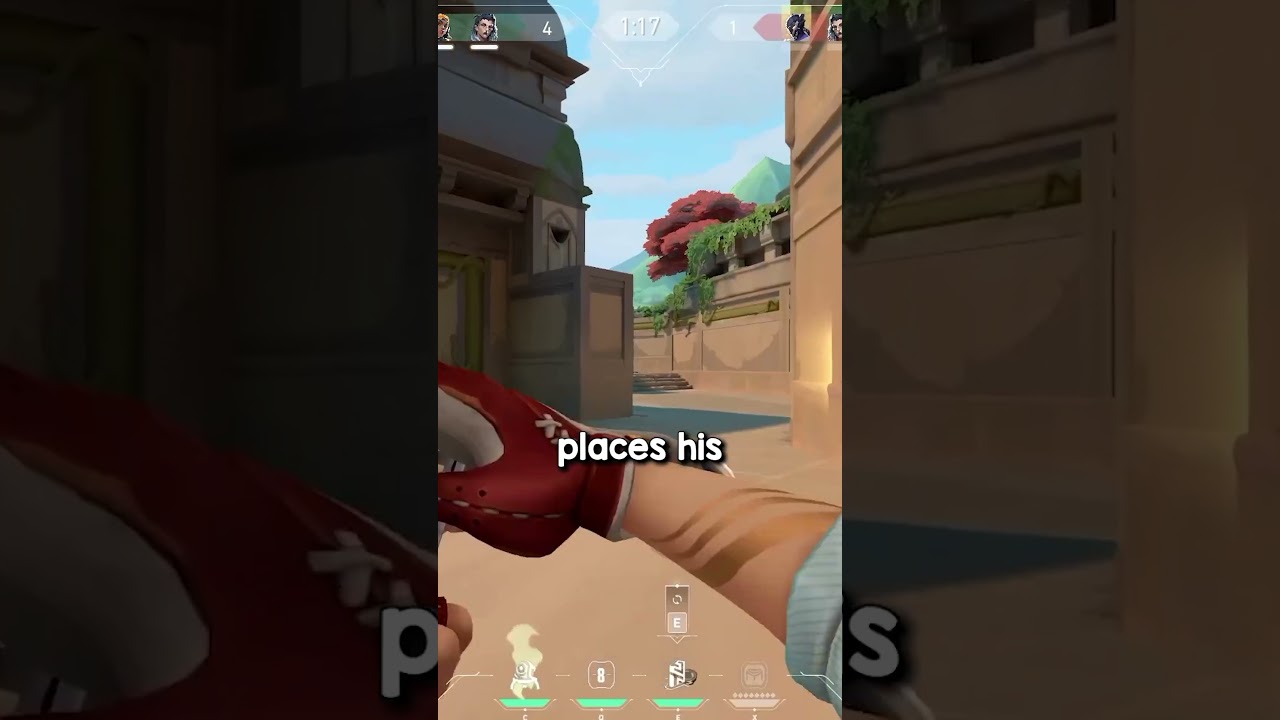
Learn to read when opponents stop contesting your defensive peaks and adapt by placing utility deep to lock down space and free teammates to rotate.
Practical Valorant lessons adapted from our coaching videos, with the original source alongside each guide.
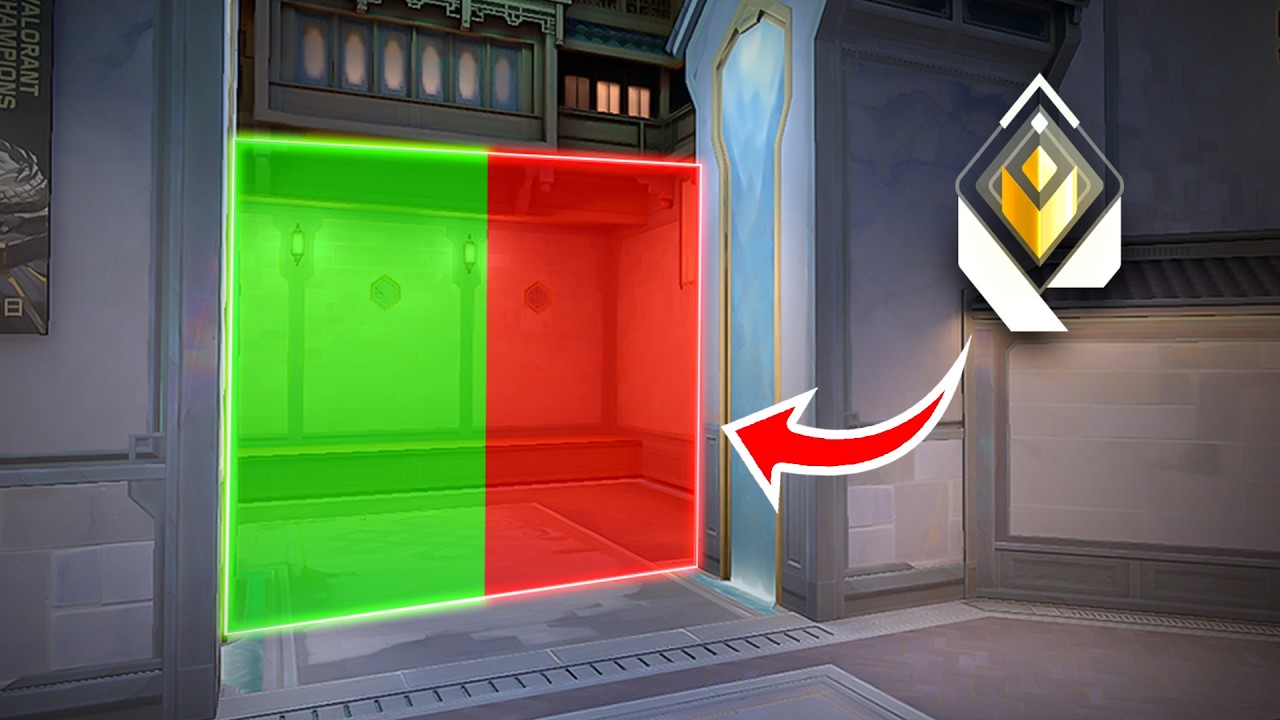
Learn to read when opponents stop contesting your defensive peaks and adapt by placing utility deep to lock down space and free teammates to rotate.
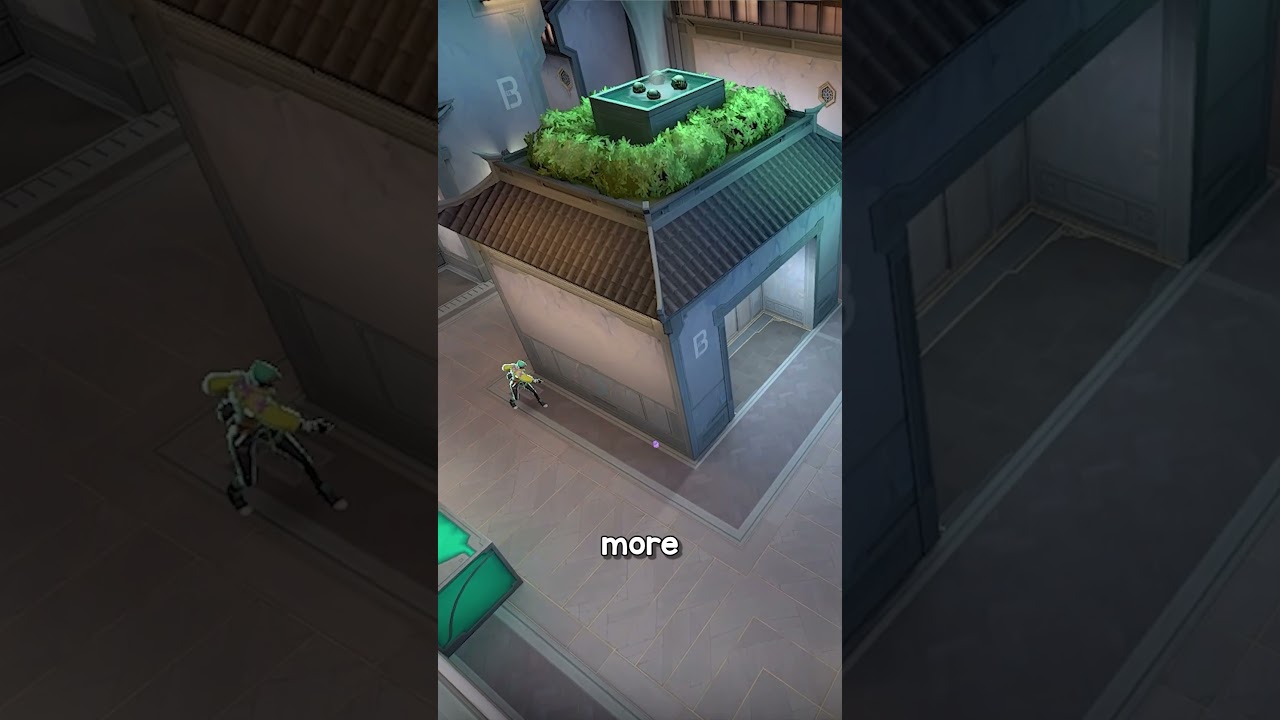
Learn how Chamber's Rendezvous lets you hold two angles at once by repositioning instantly after teleporting while attackers assume you've gone far.
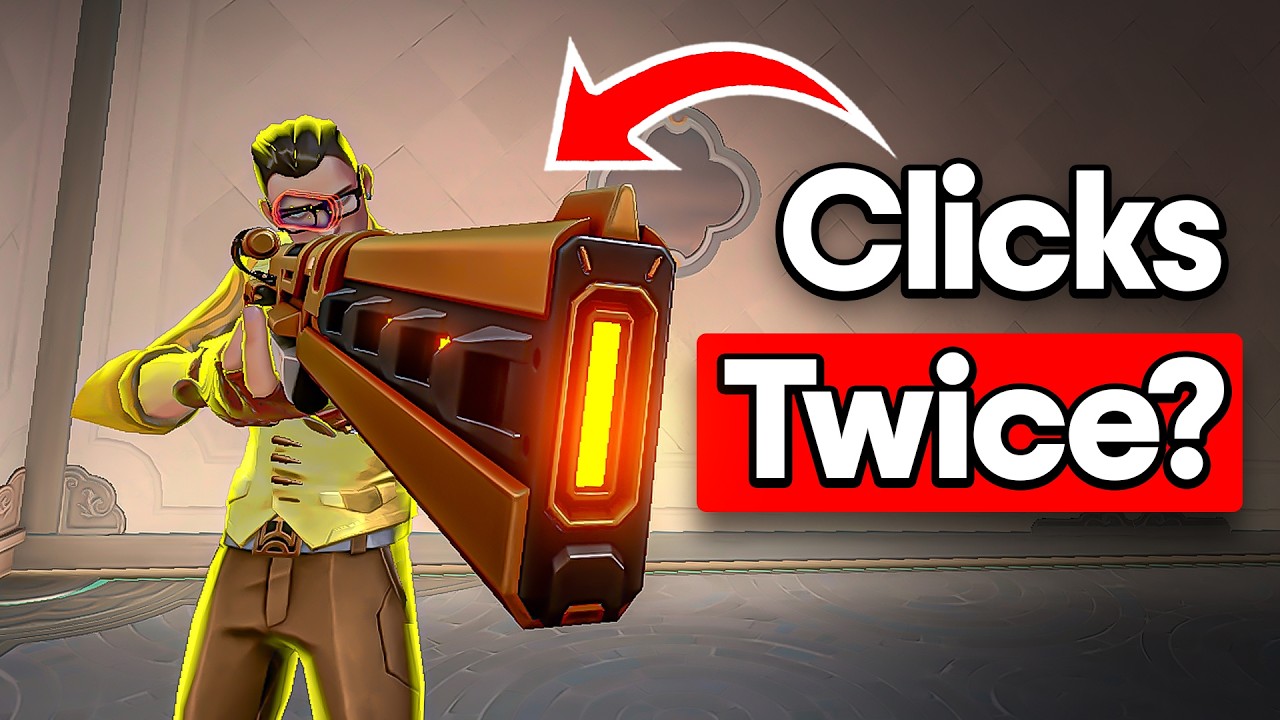
How to time a Chamber rifle entry when team utility is not ready, use a TP for an off-angle hold, and adjust fight selection when the TP is unavailable.
Learn when to take or skip a duel based on context, and fix the overflick panic that costs you close-range fights in Valorant.
Learn to rebuild head-level crosshair placement after every strafe or peek, and target your specific tracking weakness instead of relying on generic deathmatch.
Learn how a T1 pro wins clutches by playing slower, reading enemy comps, denying space with utility, and conditioning opponents through passive-aggressive switching.
Learn when to hold space and when to fall back as a Valorant defender, using round context to keep enemy advances expensive.
Learn how to chain Operator into Headhunter, bait swings through smoke, use TP repositioning, and play Chamber as an aggressive duelist-sentinel hybrid.
Practice tracking a strafing bot in the Valorant range by reading actual movement cues instead of predicting direction changes, then shooting in your own dead zone.
Learn how skilled Valorant defenders read enemy pressure and slow defaults to take space, force new problems, and stay one step ahead on defense.
Build flick speed and precision in the Valorant practice range with a two-target tempo drill that scales from 60 to 160 BPM by skill level.
Learn four jiggle peek methods in Valorant: knife-out safety, pre-fire on common angles, bait-and-swing, and using jiggles as delay for trades.
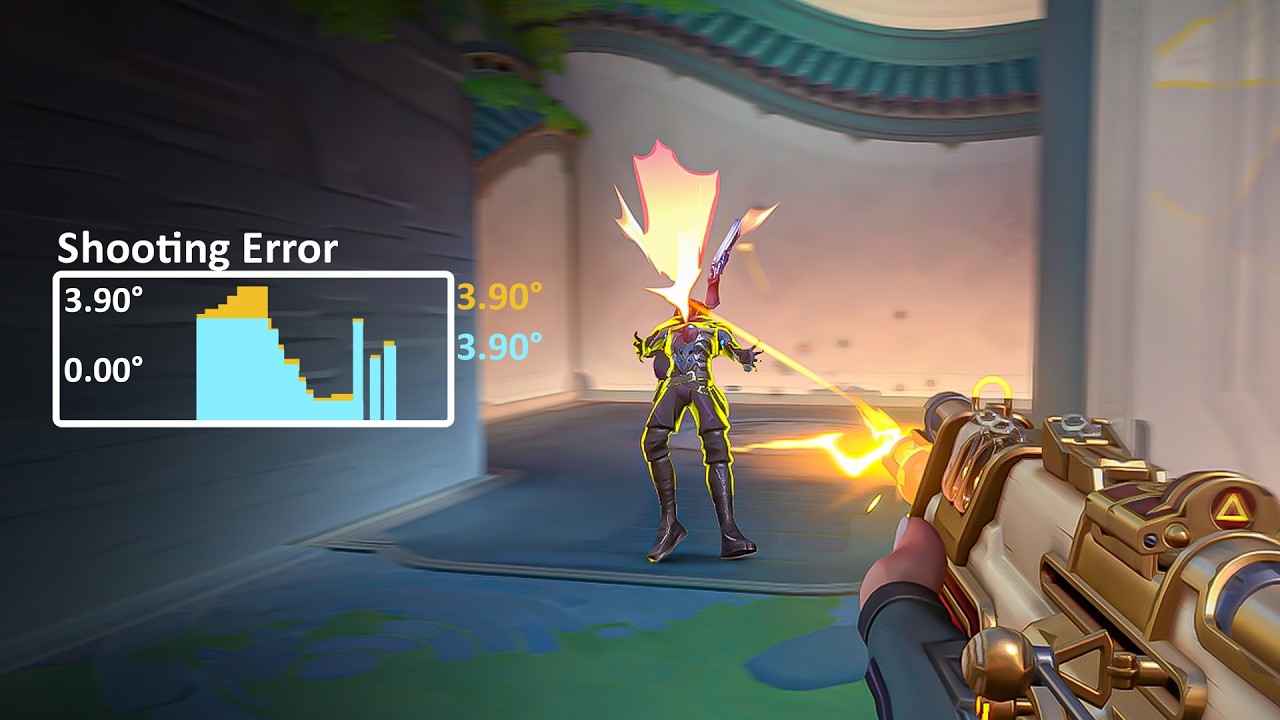
Learn why holding your counter-strafe too long ruins shot accuracy, and how to use the shooting error graph to build clean stops in the practice range.
A five-level Valorant practice range drill building flick accuracy, deadzone timing, and tracking from basic micro-adjustments to full gunfight simulation.
Stop drifting past corners by controlling your crosshair path with movement instead of mouse corrections before each swing.
Learn the difference between shoulder and jiggle peeks in Valorant, when each is safest, and how to practice both in a custom game with a friend.
Choose standard, wide, jiggle, shoulder and jump peeks with Assess, Prepare, Execute. Practise angle selection, movement and review your own Valorant duels.
Learn five Valorant movement mechanics for solo queue: run and gun, silent jumps, bopping, map outlines, and choosing pie-slicing versus jiggling.